
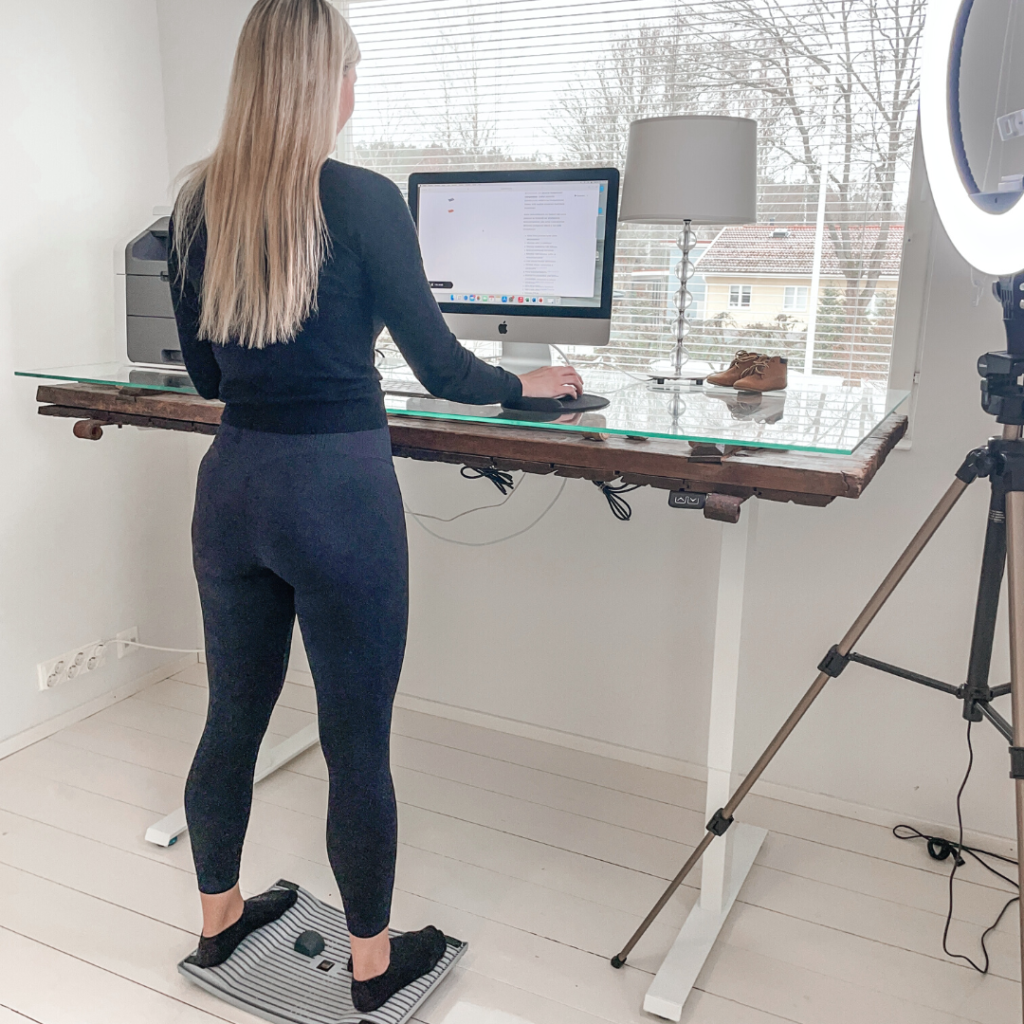
Movement is important for desk workers with lower back pain because staying still allows muscles to tighten, spinal discs to compress, and blood flow to slow — all of which worsen pain over time. Regular, gentle movement throughout the workday relieves pressure on the lumbar spine, reactivates supporting muscles, and helps the body recover from the strain of prolonged sitting. The sections below explore the causes, the best movement strategies, and the tools that make staying active at your desk genuinely practical.
What actually causes lower back pain in desk workers?
Lower back pain in desk workers is primarily caused by prolonged static posture, which places sustained pressure on the lumbar spine, weakens the deep stabilizing muscles of the core, and restricts blood flow to spinal discs. Over time, this combination leads to muscle imbalances, tissue fatigue, and heightened sensitivity to pain — even without any specific injury.
When you sit for extended periods, the hip flexors shorten and tighten while the glutes and lower back muscles become underactive. This imbalance shifts the load onto passive structures like spinal joints and intervertebral discs rather than the muscles designed to share that burden. Spinal discs are avascular, meaning they rely on movement to absorb nutrients and expel waste through a process called imbibition. Without regular movement, discs gradually lose hydration and resilience, making them more susceptible to compression and irritation.
Poor ergonomics compound the problem. A monitor set too low encourages forward head posture, which increases the load on the cervical spine and contributes to neck and shoulder pain that often travels down into the upper back. A laptop stand for better desk ergonomics can help position screens at the correct height to reduce this strain. Even in a well-set-up home office, sitting for hours without breaks creates cumulative strain that no single ergonomic adjustment can fully counteract.
How does movement reduce lower back pain for office workers?
Movement reduces lower back pain by interrupting the cycle of muscle tightening, disc compression, and poor circulation that prolonged sitting creates. When you move, muscles contract and relax, blood flow increases to oxygen-starved tissues, and spinal discs rehydrate. Even small, frequent movements produce meaningful physiological benefits that reduce pain and prevent it from worsening.
Active movement stimulates the production of synovial fluid in the spinal joints, which acts as a natural lubricant and reduces stiffness. It also triggers the release of endorphins, the body’s natural pain-modulating chemicals, which help lower the perception of discomfort. For people already experiencing back pain, movement is often more effective than rest, because immobility allows inflammation to settle and muscles to guard protectively, which deepens the pain cycle rather than breaking it.
Movement also supports metabolism, which matters more than it might seem. Sitting for long periods slows metabolic rate and reduces the efficiency with which the body manages inflammation. Gentle activity throughout the day keeps metabolic processes more active, which supports faster tissue recovery and reduces the systemic low-grade inflammation that contributes to chronic musculoskeletal pain. For home office workers especially, where the temptation to sit uninterrupted for hours is high, building movement into the workday is one of the most effective interventions available.
How often should desk workers move to protect their lower back?
Desk workers should aim to change position or move for at least one to two minutes every 30 to 45 minutes of sitting. This frequency is enough to interrupt the physiological effects of static posture, maintain circulation, and prevent the progressive muscle fatigue that leads to lower back pain accumulating over a workday.
The key principle is consistency over intensity. Short, regular movement breaks are more effective for spinal health than one long walk at lunchtime surrounded by hours of unbroken sitting. Setting a timer, using a standing desk to alternate between sitting and standing, or incorporating micro-movements at your workstation all count as meaningful breaks. The goal is to prevent any single bout of sitting from extending beyond 45 minutes without some form of positional change.
For people already managing back pain, more frequent breaks may be beneficial, particularly during flare-ups when even a few minutes of static posture can increase discomfort. Starting with a standing or walking break every 20 to 30 minutes and gradually extending the sitting intervals as pain reduces is a practical approach that allows the body to adapt without overloading it.
What types of movement are most effective for lower back pain relief?
The most effective types of movement for lower back pain relief are those that gently mobilize the spine, activate the core and glute muscles, and improve hip flexibility. These include walking, gentle spinal rotation and extension stretches, hip flexor stretches, and low-load balance exercises. Consistency matters more than intensity, especially for desk workers managing chronic or recurring pain.
Stretching and mobility work
Stretching the hip flexors, hamstrings, and thoracic spine directly addresses the muscle tightness that prolonged sitting creates. A simple standing hip flexor stretch held for 30 seconds on each side, done two to three times during the workday, can meaningfully reduce the anterior pelvic tilt that overloads the lumbar spine. Upper body mobility work, such as shoulder rolls and thoracic rotations, also helps relieve the neck and shoulder pain that frequently accompany lower back issues in desk workers.
Strengthening and balance training
Exercises that activate the glutes, deep abdominal muscles, and lower back extensors build the muscular support system the spine needs to stay stable during long working hours. Balance training with a compact balance board, including single-leg exercises or standing on an unstable surface, recruits the small stabilizing muscles of the foot, ankle, and core that are largely inactive during seated work. Strengthening these muscles reduces the load placed on passive spinal structures and builds long-term resilience against back pain.
Can active standing desks and balance tools help lower back pain?
Yes, active standing desks and balance tools can help reduce lower back pain when used correctly. They work by encouraging postural variety, activating stabilizing muscles, and promoting the small, continuous movements that static sitting prevents. The critical word is active — simply standing still at a desk can also cause discomfort, so tools that encourage dynamic movement are significantly more effective than a standing desk alone.
An activation board used at a standing desk, for example, allows the body to shift weight, flex the ankles, and mimic a gentle walking motion while remaining at the workstation. This kind of low-level continuous movement keeps the leg and core muscles engaged, improves circulation, and reduces leg swelling that often develops during long periods of immobility. It also supports better posture by preventing the body from settling into a locked, static stance.
Our Gymba® Board activation board for standing desks is designed specifically for this purpose. Its patented cross-spring mechanism enables a walking-like motion at a standing desk, and it doubles as a stretching tool and foot massage surface, making it a practical all-in-one solution for desk workers looking to address back pain, improve circulation, and stay active throughout the day. For those seeking additional mobility support, the Gymba Stretching Stick offers an easy way to open up the upper body and counteract the forward-rounding posture that contributes to both lower back and neck pain.
The most important takeaway is that no single tool replaces consistent movement habits, but the right ergonomic products for active working make those habits significantly easier to build and maintain, especially in a home office or busy workplace where taking a full break is not always realistic.
Start moving more at your desk with Gymba®
If lower back pain is affecting your focus or comfort during the workday, the right tools can make a real difference. The Gymba® product range — from the Gymba® Board and Gymba Stretching Stick to the compact balance board and laptop stand — is built around one straightforward idea: making it easier to move more without stepping away from your work. Browse the full range at gymbastore.com and find the solution that fits your workspace and your needs.