
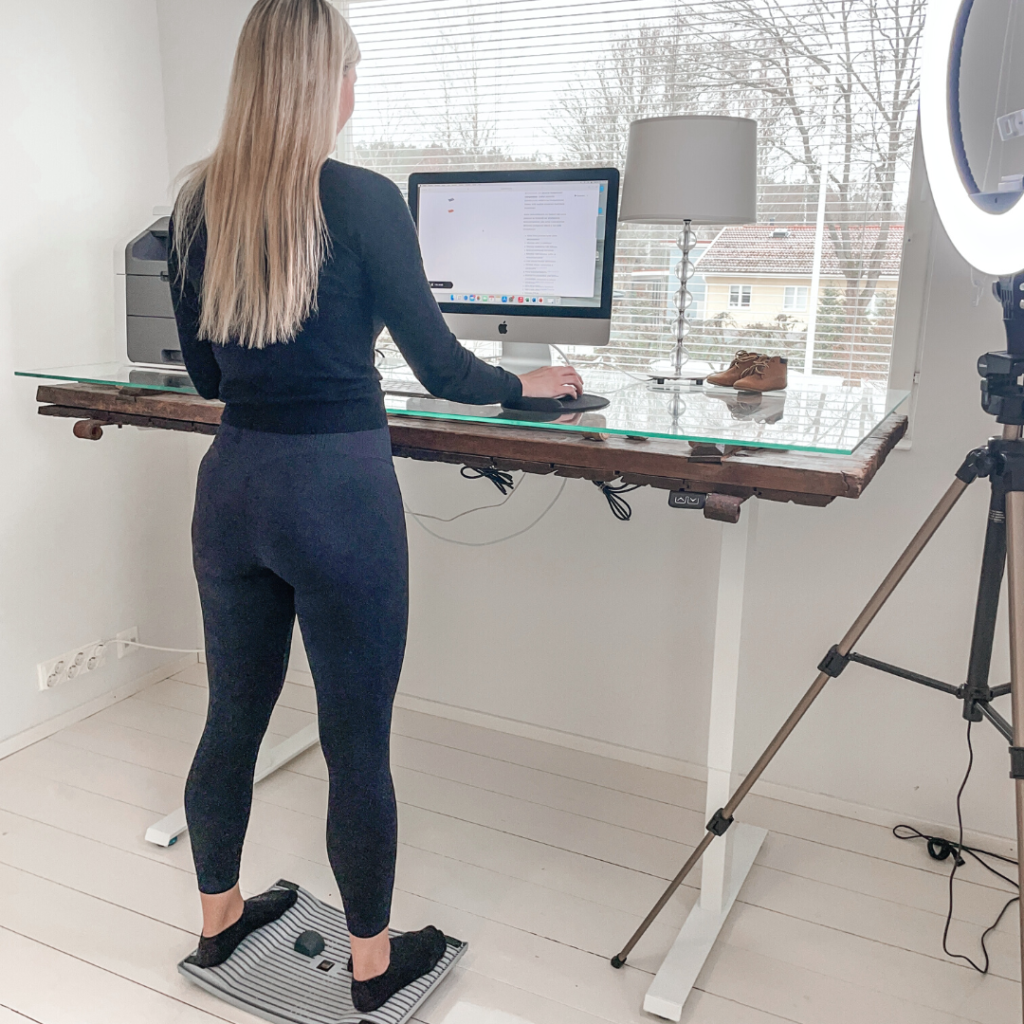
If you’ve joined the standing desk revolution, congratulations on taking a step toward a healthier work life! But simply standing isn’t enough if your posture resembles the Leaning Tower of Pisa. Poor standing posture can lead to lower back pain, fatigue, and even decreased productivity, negating many benefits you hoped to gain. The good news? With a few adjustments and awareness, you can transform your standing routine into a genuine health booster. Let’s explore how to stand correctly at your desk and create habits that support your body throughout your workday.
Why is your standing posture important?
Your standing posture affects far more than just how you look. When you stand correctly, your body operates as it was designed to, with muscles, joints, and bones working harmoniously. This proper alignment reduces strain on your spine, improves breathing capacity, and allows for better blood circulation, which directly impacts your energy levels and ability to focus during work hours.
Poor standing posture forces your body to work against gravity inefficiently. This unnecessary strain can cause:
- Chronic lower back pain and neck tension
- Decreased lung capacity and shallower breathing
- Headaches and increased fatigue
- Reduced concentration and work efficiency
- Long-term joint problems and muscle imbalances
For office workers, these issues can significantly impact both short-term productivity and long-term health. Improving your standing posture is one of the most accessible ways to enhance your overall wellbeing without disrupting your work routine.
What does correct standing posture look like?
Proper standing posture involves alignment from head to toe. Think of it as stacking your body parts in their most efficient position:
- Head position: Ears aligned with shoulders, chin parallel to the floor
- Shoulders: Relaxed and even, neither hunched forward nor pulled excessively back
- Spine: Maintain its natural curves (slight inward curve at lower back, slight outward curve at upper back)
- Pelvis: Neutral position, neither tilted forward nor backward
- Knees: Soft, not locked back
- Feet: Hip-width apart with weight evenly distributed
When you achieve this alignment, standing feels effortless. Your muscles work synergistically rather than fighting against each other, and your skeleton provides proper support. A good way to check yourself: if someone viewed you from the side, they should be able to draw a straight line from your ear through your shoulder, hip, knee, and ankle.
Common standing mistakes you might be making
Even with the best intentions, many desk workers fall into postural habits that undermine their health goals. Watch for these common errors:
- Leaning on one leg: While it might feel comfortable momentarily, this throws your pelvis and spine out of alignment, creating muscle imbalances over time.
- Forward head posture: Jutting your chin forward toward your screen strains your neck muscles and can cause headaches.
- Locked knees: Keeping your knees rigid reduces circulation and puts excessive pressure on your joints.
- Hunched shoulders: Often occurs when keyboard or screen height is incorrect, leading to upper back and neck tension.
- Swayback stance: Pushing your hips forward creates excessive curvature in your lower back, a common source of back pain.
These habits often develop unconsciously as we get tired throughout the day. Your body naturally seeks the path of least resistance, which isn’t always the healthiest position. Regular posture check-ins can help you catch these tendencies before they cause problems.
How to set up your standing workspace
Creating an ergonomic standing setup is essential for maintaining good posture throughout your workday:
- Monitor height: The top of your screen should be at or slightly below eye level, about an arm’s length away
- Keyboard and laptop positioning for proper ergonomics so your elbows can maintain a 90-degree angle, wrists neutral
- Adjustable desk height for optimal working posture so your forearms are parallel to the floor when typing
- Standing surface: Consider an anti-fatigue mat or balance board for active standing comfort to provide comfort and encourage subtle movement
- Secondary items: Position frequently used items within easy reach to prevent awkward stretching
Remember that what works for someone else might not work for you. Your height, proportions, and specific tasks all influence the ideal setup. Take time to adjust your workspace until it feels right for your body, and be willing to make ongoing refinements as needed.
Simple exercises to strengthen posture muscles
Strong posture requires strong supporting muscles. These quick exercises can be done throughout your workday to reinforce proper alignment:
- Wall angels: Stand with your back against a wall, arms at 90-degree angles. Slide arms up and down while maintaining contact with the wall (10 reps).
- Shoulder blade squeezes: Pull your shoulder blades together gently, hold for 5 seconds, and release (repeat 10 times).
- Mini squats: With feet hip-width apart, bend knees slightly and return to standing (15 reps to activate leg muscles).
- Hip hinges: Place hands on lower back, keep spine straight while hinging forward slightly at hips (10 reps).
- Gentle neck stretches: Slowly tilt ear toward shoulder, hold 20 seconds each side.
These exercises take just minutes but can significantly improve your postural endurance when done consistently. They’re particularly effective when incorporated into regular movement breaks throughout your workday.
Creating a sustainable standing routine
Standing all day isn’t the goal. Instead, aim for a dynamic work routine that incorporates regular position changes:
- Start with 20-30 minute standing intervals if you’re new to a standing desk
- Gradually increase standing time as your body adapts
- Set posture check reminders every 20-30 minutes
- Incorporate micro-movements while standing (gentle weight shifts, calf raises)
- Consider a 1:1 ratio of sitting to standing throughout your day
Remember that movement is the key to a healthy lifestyle. Even perfect standing posture becomes problematic when held statically for too long. The human body thrives on variation, so aim for a fluid workday that includes sitting, standing, and walking.
At Gymba, we understand the challenges of maintaining proper posture throughout a busy workday. Our ergonomic solutions are designed to work with your body’s natural movement patterns, making good posture feel effortless rather than another task on your to-do list. By implementing these posture tips and creating an environment that supports healthy alignment, you’re investing in both your immediate comfort and long-term wellbeing. Your body will thank you for it!