
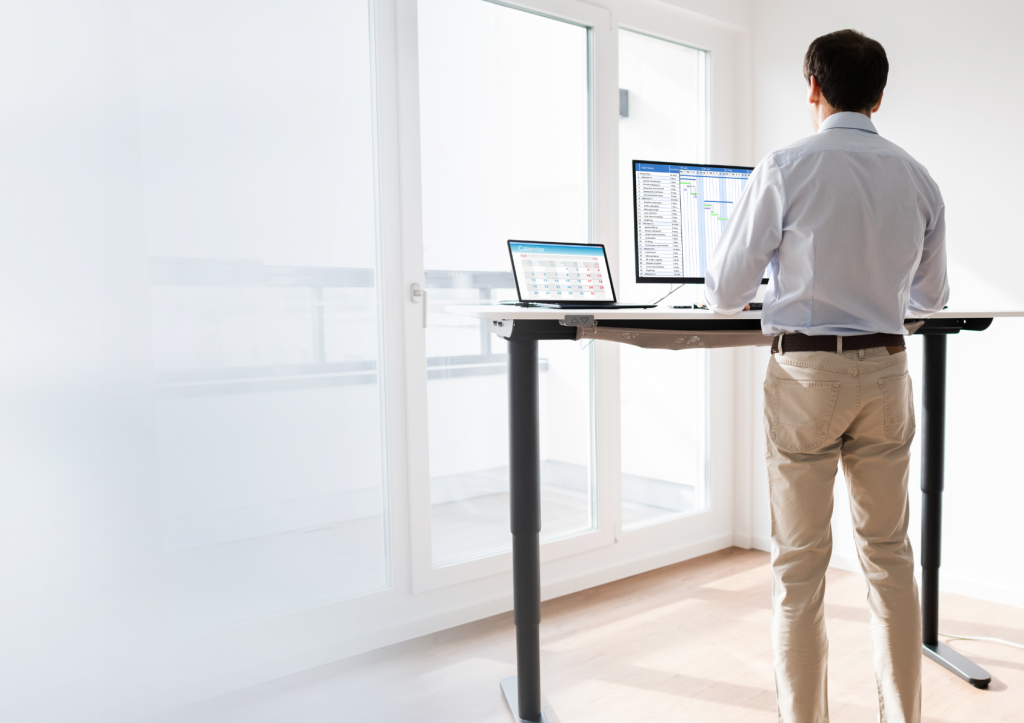
Remote work has transformed the way millions of people structure their days, but it has also introduced a quiet challenge that many overlook: the home office rarely comes equipped with the same level of physical support as a professionally designed workplace. Without the right setup, long hours at a kitchen table or a makeshift desk can quietly accumulate into real health problems. Investing in ergonomic products is one of the most practical steps remote workers can take to protect their well-being and stay productive throughout the day.
This article explores why home office ergonomics matters more than most people realize, how the right tools reduce the physical toll of desk work, and what to look for when building a healthier remote workspace in 2026.
The hidden health costs of working from home
Remote work removes the commute, the walk to a colleague’s desk, and the natural interruptions of an office environment. What it also removes, often without notice, is the built-in movement that keeps the body from staying in one position for too long. Without those micro-breaks, static postures become the norm, and the body begins to absorb the strain.
The most common physical complaints among remote workers include lower back pain, neck and shoulder tension, wrist discomfort, and general fatigue. These are not inevitable side effects of desk work. They are largely the result of poor workstation setup, inadequate support, and prolonged sitting without variation. Over time, these issues can escalate from occasional discomfort into chronic conditions that affect both quality of life and the ability to work effectively.
There is also a less visible cost: reduced circulation and mental fatigue. When the body stays still for extended periods, blood flow slows, energy levels drop, and concentration becomes harder to sustain. The home office, which was supposed to offer flexibility, can paradoxically become a more physically demanding environment than a traditional office if the setup is not addressed thoughtfully.
How ergonomic products reduce the impact of prolonged sitting
Ergonomic products work by encouraging the body to move more naturally, even during focused work. Rather than forcing a rigid posture, well-designed ergonomic tools support dynamic positioning, which means the body can shift, adjust, and engage different muscle groups throughout the day.
Gymba® Board activation boards, for example, allow subtle weight shifts and walking-like movements while standing at a desk. This kind of low-level, continuous movement improves circulation, reduces pressure on the spine, and keeps the lower body engaged without interrupting workflow. The effect is cumulative: small movements made consistently across a workday add up to significantly less physical strain than hours of completely static sitting or standing.
Laptop stands and monitor risers address another common source of discomfort by positioning screens at eye level. When a screen sits too low, the neck tilts forward repeatedly, placing a disproportionate load on the cervical spine. Raising the display to a neutral height reduces that load and makes it easier to maintain a naturally aligned posture. Similarly, foot massage tools and rolling bars used during breaks help release tension that builds in the feet and calves, which are often neglected during long desk sessions. Learning how to prevent neck and shoulder pain through posture and movement is a key part of any ergonomic approach.
Fitting ergonomic solutions into a home workspace
One of the most common reasons people avoid ergonomic upgrades is the assumption that they require significant space, expense, or a complete redesign of the workspace. In practice, most effective ergonomic products are compact, portable, and designed to work alongside existing furniture rather than replace it.
A height-adjustable desk, or even a sturdy riser that converts a fixed desk into a standing option, forms a solid foundation. From there, individual products can be layered in based on specific needs. An activation board placed underfoot while standing, a Gymba® Laptop Stand to align the screen, and a stretching tool kept within reach for short movement breaks can collectively transform a basic home setup into a genuinely supportive workstation.
The key is to start with the areas causing the most discomfort and build from there. Someone who experiences persistent neck tension will benefit most from addressing screen height first. Someone who finds their energy dropping in the afternoon may benefit more from introducing standing intervals and foot activation. Ergonomic improvement does not need to happen all at once, and even modest changes to a home office setup can produce noticeable results relatively quickly.
Productivity and focus benefits backed by movement
The connection between physical movement and cognitive performance is well established. When circulation improves, the brain receives more oxygen and nutrients, which supports sharper thinking, better memory retention, and more sustained attention. This is not a secondary benefit of ergonomic work setups; it is one of the primary reasons they matter for remote workers who need to perform consistently across long hours.
Introducing movement into the workday does not mean taking frequent breaks away from the desk. Subtle, low-intensity movement while working, such as shifting weight on an activation board or adjusting posture periodically, can maintain the physical engagement needed to keep energy levels stable. Many remote workers report that alternating between sitting and standing, supported by the right tools, reduces the mid-afternoon energy slump that is so common in sedentary work environments.
Posture also plays a direct role in how alert and confident a person feels during work. Poor posture is associated with lower energy, reduced self-confidence, and even lower mood. Ergonomic products that encourage an upright, naturally aligned position support not just the body but the mental state needed to work well. In a home environment where motivation and self-management already require more conscious effort, these factors carry real weight.
Choosing the right ergonomic products for remote work
Selecting ergonomic products for a home office is most effective when it starts with an honest assessment of how and where work actually happens. A person who works primarily at a standing desk has different needs from someone who spends most of the day seated. The goal is to support the specific movement patterns and posture challenges that arise in that individual context.
A few principles are worth keeping in mind when evaluating options. First, prioritize products that encourage movement rather than simply supporting a fixed position. Static ergonomic products, like a rigid wrist rest, offer some protection but do not address the underlying issue of prolonged stillness. Dynamic tools that promote gentle, continuous movement provide broader benefits. Second, look for versatility. Products that serve multiple functions, such as the Gymba® Balance Board MINI that also works as a massage tool and a stretching aid, offer more value in a compact home setting where space is often limited.
We design our ergonomic home office products specifically with this balance in mind. The Gymba Activation Board, for instance, supports walking-like movement while standing, doubles as a massage tool for the soles of the feet, and can be used for stretching. The Gymba Laptop Stand raises the screen to a comfortable viewing height and improves airflow around the device. These are practical, everyday tools built to fit into real home workspaces without requiring a dedicated ergonomics budget or a redesigned room.
Ultimately, the most effective ergonomic setup is one that gets used consistently. Products that are intuitive, unobtrusive, and genuinely comfortable to use become habits rather than obligations. For remote workers in 2026, where the home office is no longer a temporary arrangement but a long-term working reality, that consistency is what turns ergonomic investment into lasting health and performance benefits.
Ready to build a healthier home office ergonomics setup?
If any part of this article resonated with how your workday feels, that is a good place to start. Browse the full range of Gymba ergonomic home office products to find the tools that fit your workspace and your specific needs. Whether you are looking to reduce back pain, improve your focus, or simply move more during the day, there is a practical solution designed to work within a real home setup — no specialist knowledge or major investment required.